

So, I’m showing 374 more Christmas memes and 3 more issues counting this one. That’s 125 per issue …
Nope, not gonna happen.
But then again, some of them are likely to be repeats and stuff I’m not gonna use and …
But then again, I’m likely to get MORE stuff from you guys that’s really good BETWEEN now and Christmas ….
You guys may end up with a bonus issue in there …
Maybe a bonus Impish Dragon Birthday Issue…
Hmmmmmmmmmmm


(Did he really say something about his birthday?)
(Yeah, I think he did!)

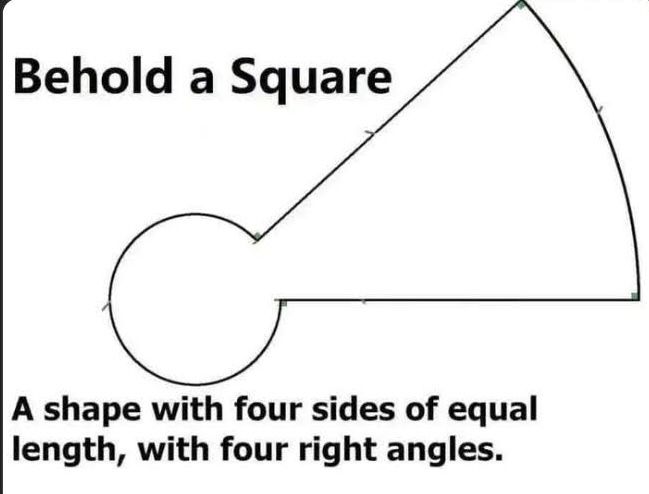
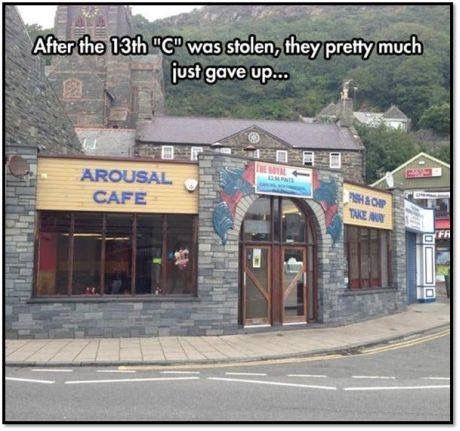
Spacing is EVERYTHING!
And stop whispering in the corner over there!



















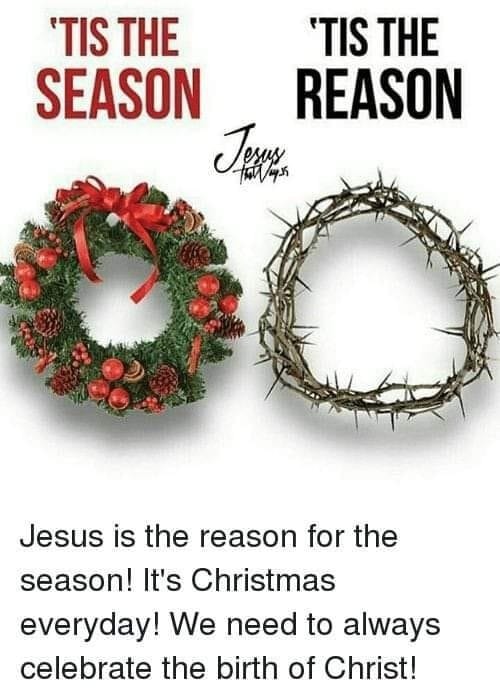


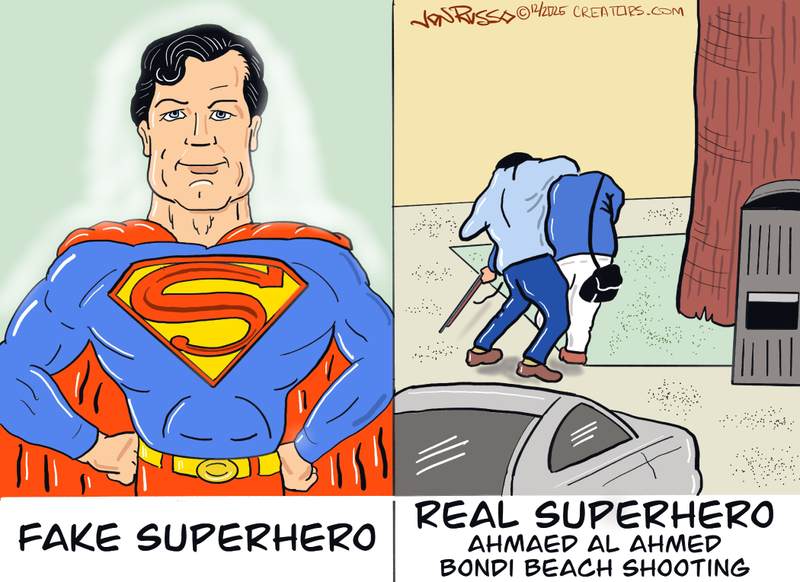

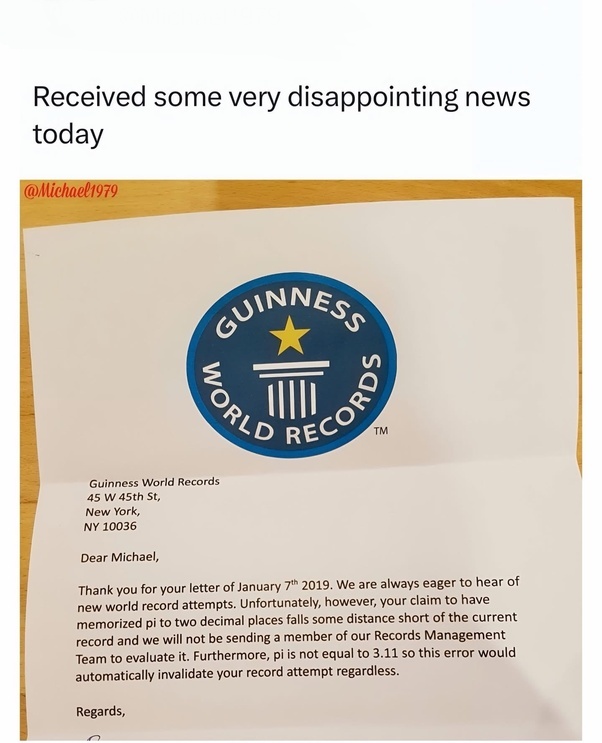


Doesn’t anyone proofread headlines anymore?

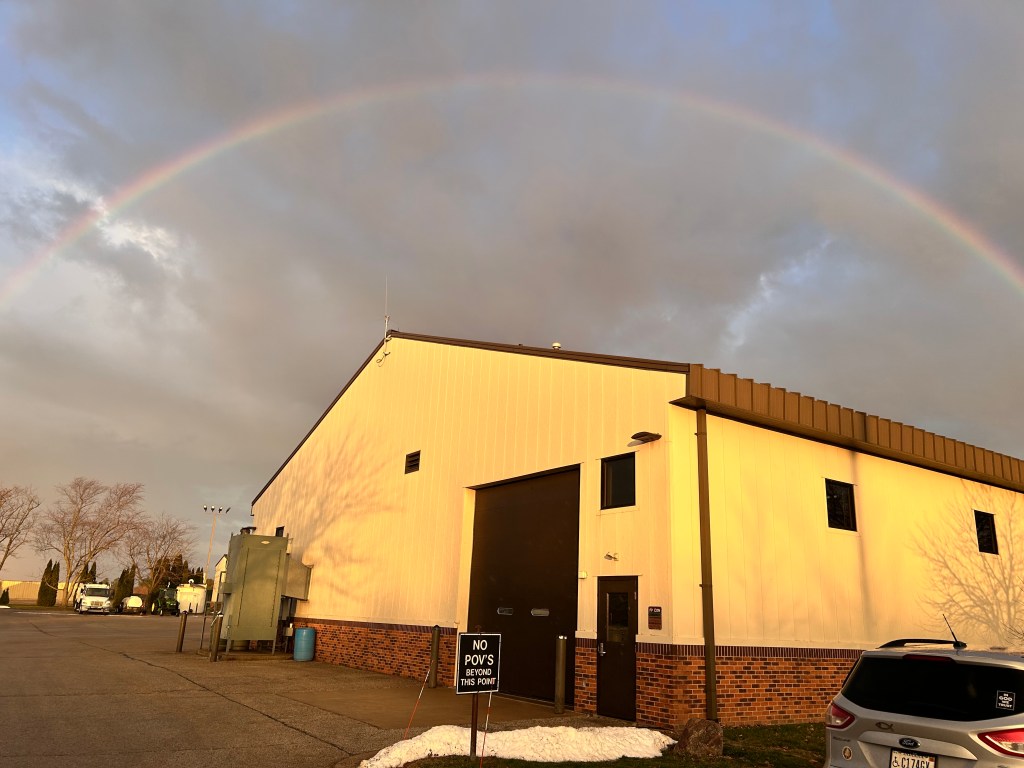
Seen outside my shop the other day on my way to another of the endless meetings…



And that is just a normal day looking up from my backyard.


Actually, it’s quite similar.




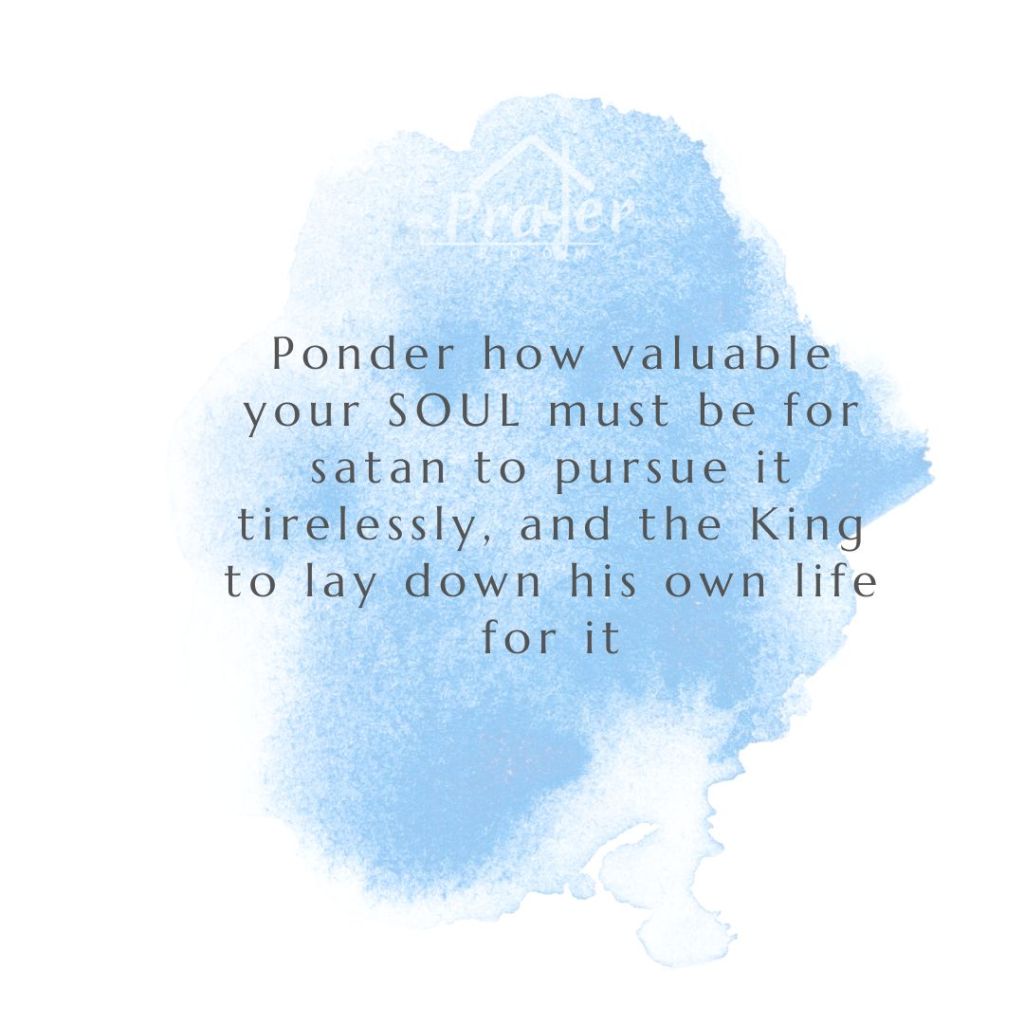
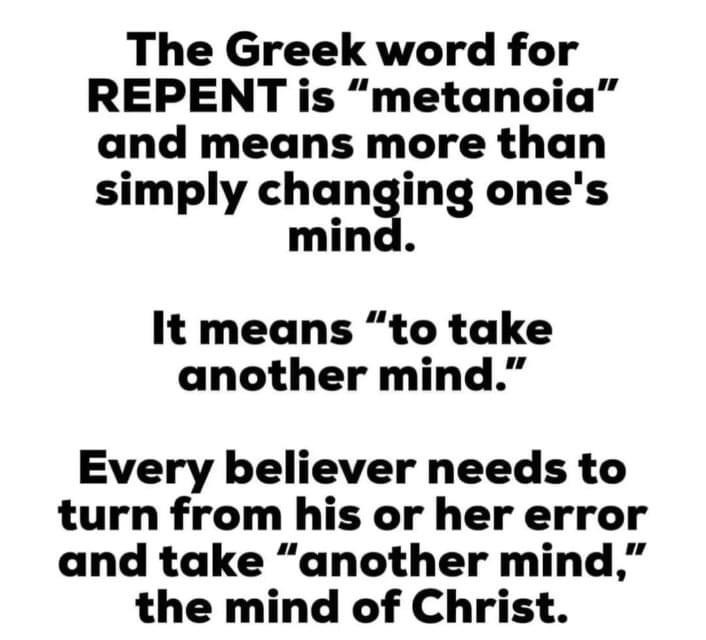
“Be sober, be vigilant; because your adversary the devil walks about like a roaring lion, seeking whom he may devour.” (1 Peter 5:8 NKJV) If we’re going to quote scripture, let’s at least get it right, shall we? I agree that the sentiment is correct … sort of … but that is NOT a quote.
Just sayin’…




This next one is from Joe and he has this to say about it.
My aircraft squadron was on CVS-15 for many cruises. Peace time.
If this isn’t amazing, I don’t know what is!
15 Escort Carriers in 12 months! Henry Kaiser’s ship yard, 15,000 workers! One of the best WW-II history stories you’ll ever read.
ENJOY!

Yeah, but we won’t discuss the fact that the earth is only a bit over 6,000 years old.





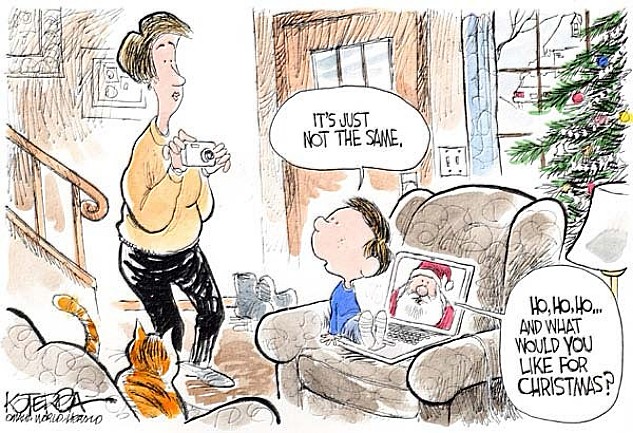
I hope everyone gets that one!

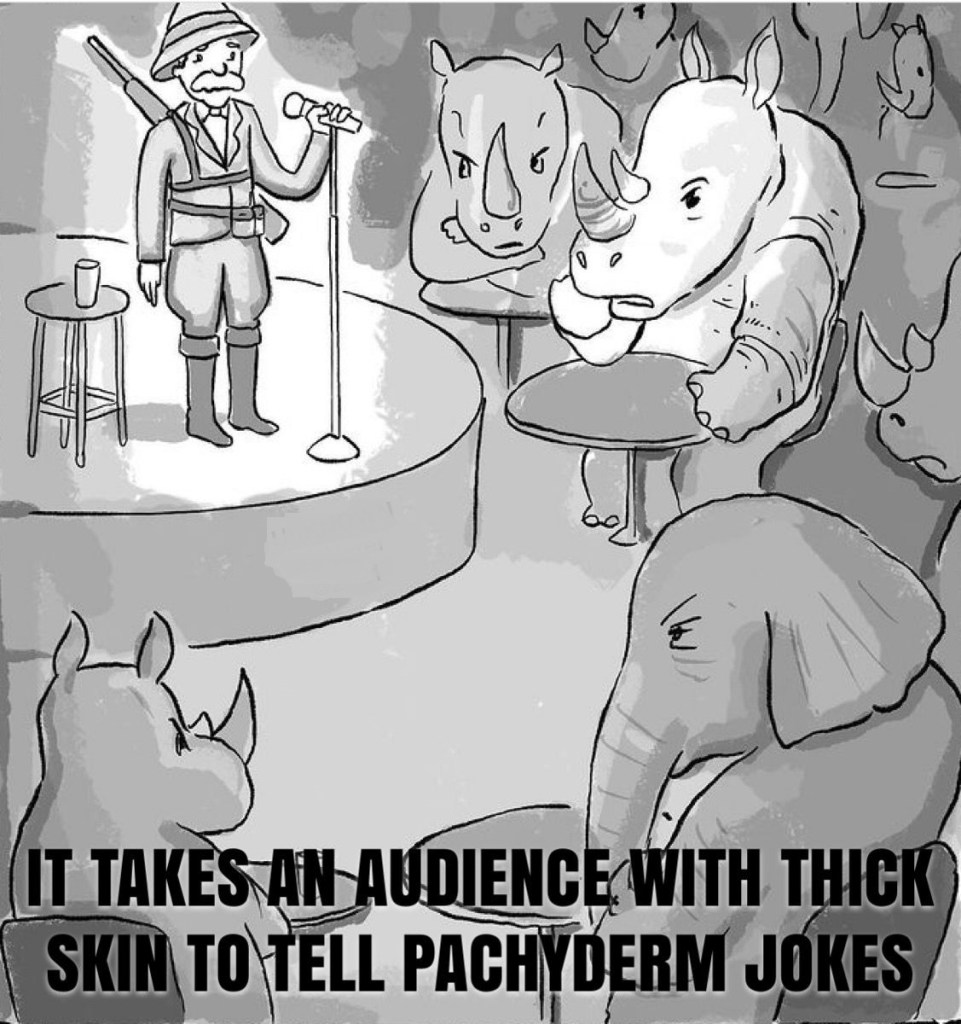


Silly Joke
A man is playing the piano softly one night in a downtown bar.
In walks an elephant (told you it was silly) who goes over to the pianist, and suddenly the elephant starts to cry.
“There, there”, says the pianist “Do you recognize the song?”
“No, no,” says the elephant ” I recognize the white keys.”










Somewhere down in the deep South, Bubba was sittin’ on his porch, scratching his head and staring real hard at a stack of newspapers. After about an hour of deep thinkin’, he picked up the phone and called the local attorney.
“Hey there, mister lawyer,” Bubba began. “I was readin’ in the paper that folks are suin’ the cigarette companies ’cause smokin’ gave ’em cancer. That true?”
The lawyer sighed. “Yes, Bubba, that’s true.”
Bubba grunted like this was confirm-in’ one of his biggest suspicions. “Alright then. And I also heard folks are suin’ them fast-food places ’cause eatin’ all them burgers and fries made ’em big as a barn. That right too?”
“Yep,” the attorney replied. “That’s been happenin’.”
Bubba shuffled some more papers dramatically, like he was preparing to unveil a grand legal theory. “Well,” he said, “I been thinkin’ a whole lot today. Did some real deep soul-searchin’… even skipped my afternoon nap to make room for all this thinkin’.”
The lawyer braced himself. “Alright, Bubba… what exactly are you gettin’ at?”
Bubba cleared his throat. “If they’re out here suin’ everybody for stuff they chose to do… then maybe—just maybe—I oughta get me a piece of that action too.”
“And what would you be suing for?” the attorney asked.
Bubba took a deep breath and said proudly:
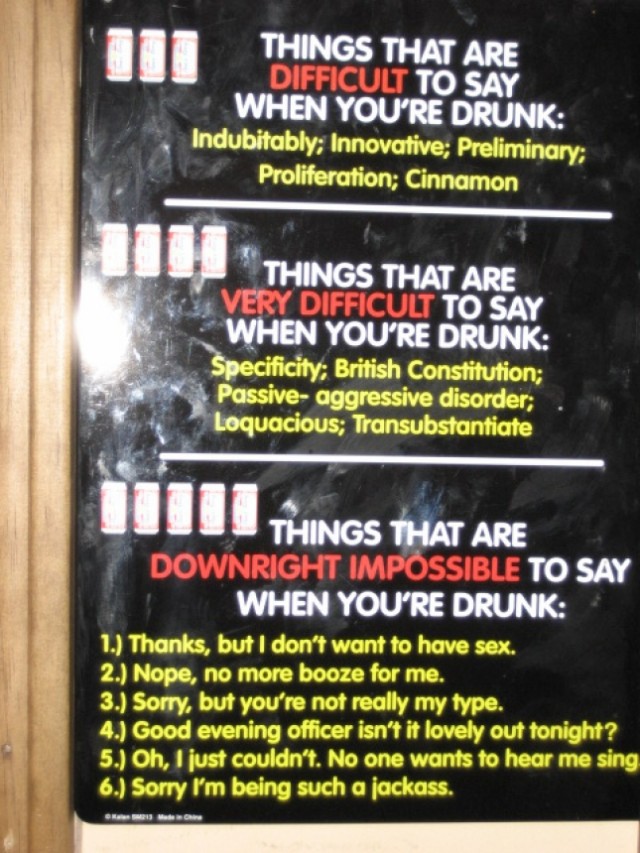
“Cause I’m thinkin’… maybe I can sue Budweiser for all them ugly women I’ve been wakin’ up with!”




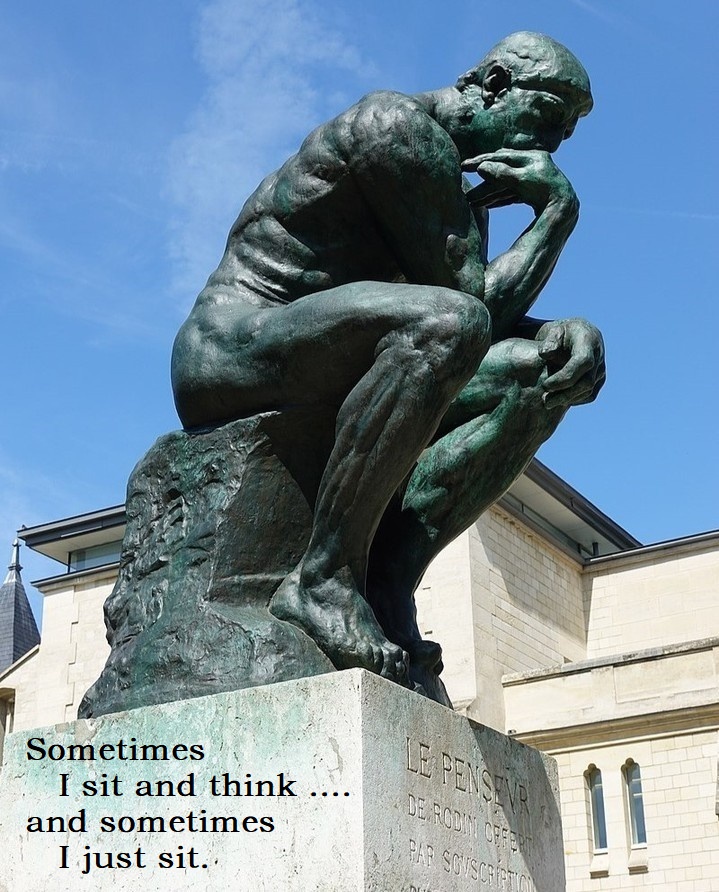



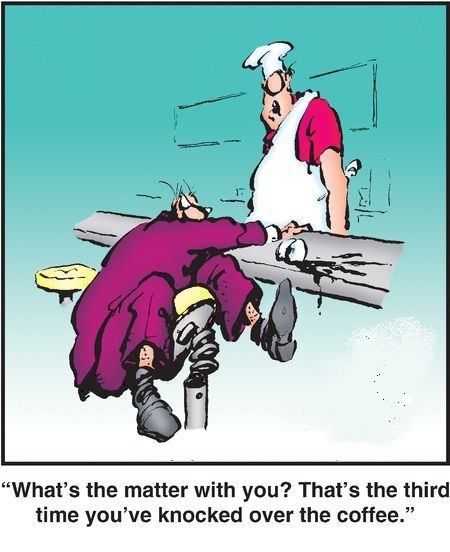


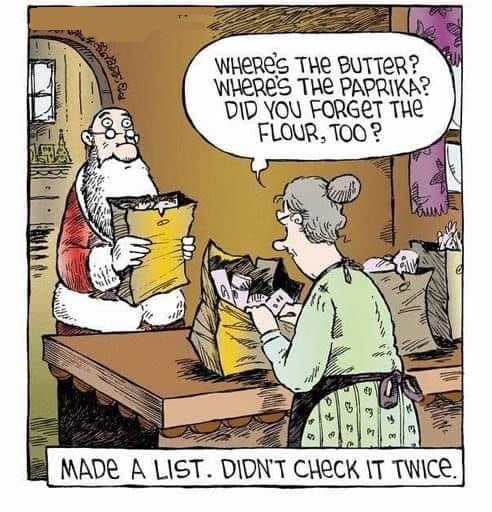


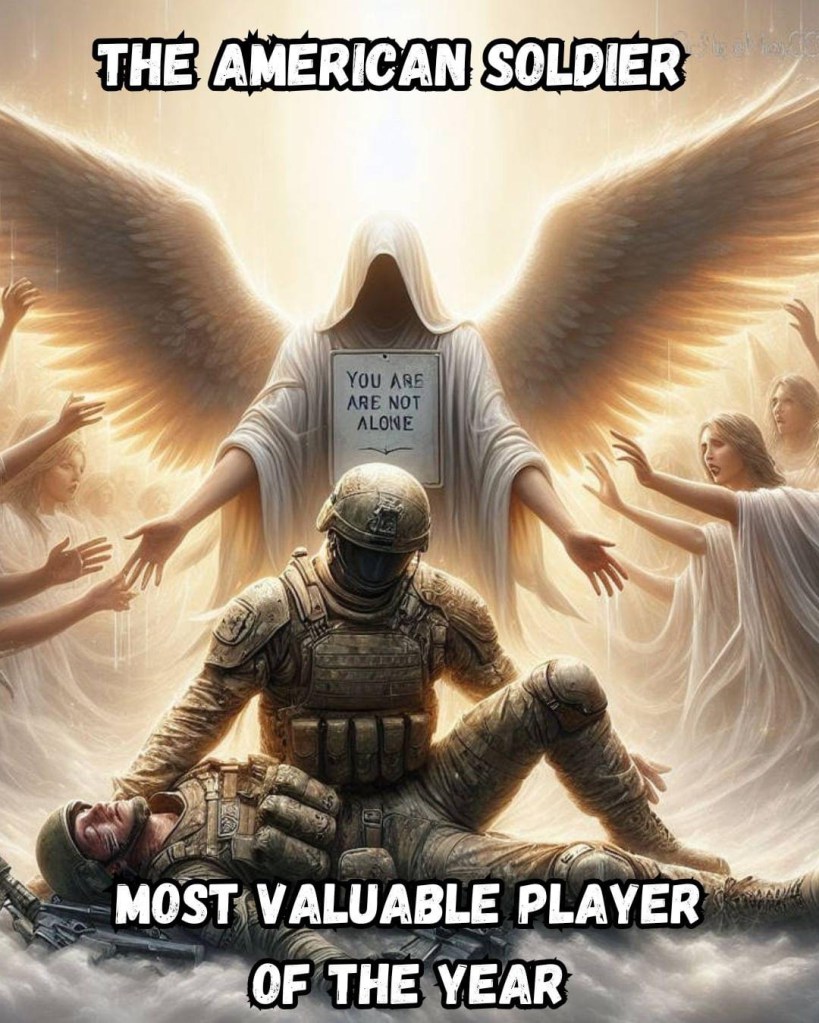

So true it hurts!!!



Another essay from Pete, and another great read. Thank you brother.
I figure that I have probably sent this to you before but again, it is one that I post every year.
Another long one but, sure worth it!
For as long as I can remember, this man has been one of my personal heroes! I have met and been with a lot of famous people, l am not starstruck by any means but, this is one “Star” I would have loved to have met!
Pete
Jimmy Stewart Remembers “It’s a Wonderful Life”
By Jimmy Stewart
A friend told me recently that seeing a movie I made over 50 years ago is a holiday tradition in his family “like putting up the Christmas tree.” That movie is “It’s a Wonderful Life,” and out of all the 80 films I’ve made, it’s my favorite. But it has an odd history.
When the war was over in 1945, I came back home to California from three years’ service in the Air Force. I had been away from the film business, my MGM contract had run out, and frankly, not knowing how to get started again, I was just a little bit scared. Hank Fonda was in the same boat, and we sort of wandered around together, talking, flying kites and stuff. But nothing much was happening. Then one day Frank Capra phoned me. The great director had also been away in service, making the “Why We Fight” documentary series for the military, and he admitted to being a little frightened too. But he had a movie in mind, so we met to talk about it. He said the idea came from a Christmas story written by Philip Van Doren Stern. Stern couldn’t sell the story anywhere, but he finally had 200 twenty-four- page pamphlets printed up at his own expense, and he gave them to his friends as a greeting card. “Now listen,” Frank began hesitantly. He seemed a little embarrassed about what he was going to say. “The story starts in heaven, and it’s sort of the Lord telling somebody to go down to earth because there’s a fellow who’s in trouble, and this heavenly being goes to a small town, and …”
Frank swallowed and took a deep breath. “Well, what it boils down to is, this fella who thinks he’s a failure in life jumps off a bridge. The Lord sends down an angel named Clarence, who hasn’t earned his wings yet, and Clarence jumps into the water to save the guy. But the angel can’t swim, so the guy has to save him, and then …” Frank stopped and took a deep breath. “This doesn’t tell very well, does it?” I jumped up. “Frank, if you want to do a picture about a guy who jumps off a bridge and an angel named Clarence who hasn’t won his wings yet coming down to save him, well, I’m your man!”
Production of “It’s a Wonderful Life” started April 15, 1946, and from the beginning there was a certain something special about the film. Even the set was special. Two months had been spent creating the town of Bedford Falls, New York. For the winter scenes, the special-effects department invented a new kind of realistic snow instead of using the traditional white cornflakes. As one of the longest American movie sets ever made until then, Bedford Falls had 75 stores and buildings on four acres with a three-block main street lined with 20 full grown oak trees. As I walked down that shady street the morning we started work, it reminded me of my hometown, Indiana, Pennsylvania. I almost expected to hear the bells of the Presbyterian church, where Mother played the organ and Dad sang in the choir. I chuckled, remembering how the fire siren would go off, and Dad, a volunteer fireman, would slip out of the choir loft. If it was a false alarm, Dad would sneak back and sort of give a nod to everyone to assure them that none of their houses was in danger. I remembered how, after I got started in pictures, Dad, who’d come to California for a visit, asked, “Where do you go to church around here?” “Well, ” I stammered, “I haven’t been going … There’s none around here.” Dad disappeared and came back with four men. “You must not have looked very hard, Jim,” he said, “because there’s a Presbyterian church just three blocks from here, and these are the elders. They’re building a new building now, and I told them you were a movie star and you would help them.” And so Brentwood Presbyterian was the first church I belonged to out here. Later that church was the one in which Gloria and I were married. A few years after that it was the same church I’d slip into during the day when Gloria was near death after our twin girls were born. Then, after we moved, we attended Beverly Hills Presbyterian, a church we could walk to. It wasn’t the elaborate movie set, however, that made “It’s a Wonderful Life” so different; much of it was the story.
The character I played was George Bailey, an ordinary kind of fella who thinks he’s never accomplished anything in life. His dreams of becoming a famous architect, of traveling the world and living adventurously, have not been fulfilled. Instead he feels trapped in a humdrum job in a small town. And when faced with a crisis in which he feels he has failed everyone, he breaks under the strain and flees to the bridge. That’s when his guardian angel, Clarence, comes down on Christmas Eve to show him what his community would be like without him. The angel takes him back through his life to show how our ordinary everyday efforts are really big achievements. Clarence reveals how George Bailey’s loyalty to his job at the building-and- loan office has saved families and homes, how his little kindnesses have changed the lives of others, and how the ripples of his love will spread through the world, helping make it a better place.
Good as the script was, there was still something else about the movie that made it different. It’s hard to explain. I, for one, had things happen to me during the filming that never happened in any other picture I’ve made. In one scene, for example George Bailey is faced with unjust criminal charges and, not knowing where to turn, ends up in a little roadside restaurant. He is unaware that most of the people in town are arduously praying for him. In this scene, at the lowest point in George Bailey’s life, Frank Capra was shooting a long shot of me slumped in despair. In agony I raised my eyes and, following the script, pled, “God … God … Dear Father in heaven, I’m not a praying man, but if You’re up there and You can hear me, show me the way. I’m at the end of my rope. Show me the way, God …”
As I said those words, I felt the loneliness, the hopelessness of people who had nowhere to turn, and my eyes filled with tears. I broke down sobbing. This was not planned at all, but the power of that prayer, the realization that our Father in heaven is there to help the hopeless, had reduced me to tears. Frank, who loved spontaneity in his films, was ecstatic. He wanted a close-up of me saying that prayer, but was sensitive enough to know that my breaking down was real and that repeating it in another take was unlikely. But Frank got his close-up anyway. The following week he worked long hours in the film laboratory, again and again enlarging the frames of that scene so that eventually it would appear as a close-up on the screen. I believe nothing like this had ever been done before. It involved thousands of individual enlargements with extra time and money. But he felt it was worth it.
There was a growing excitement among all of us as we strove day and night through the early summer of 1946. We threw everything we had into our work. Finally, after three months, shooting some 68 miles of 35-millimeter film we completed the filming and had a big wrap-up party for everyone. It was an outdoor picnic with three-legged races and burlap-bag sprints, just like the picnics back home in Pennsylvania.
At the outing, Frank talked enthusiastically about the picture. He felt that the film as well as the actors would be up for Academy Awards. Both of us wanted it to win, not only because we believed in its message, but also for the reassurance we needed in this time of starting over.
But life doesn’t always work out the way we want it to. The movie came out in December 1946, and from the beginning we could tell it was not going to be the success we’d hoped for. The critics had mixed reactions. Some liked it (“a human drama of essential truth”); others felt it “too sentimental … a figment of simple Pollyanna platitudes.”
As more reviews came out, our hopes sank lower and lower. During early February 1947, eight other current films including “Sinbad the Sailor” and Betty Grable’s “The Shocking Miss Pilgrim,” outranked it in box-office income. The postwar public seemed to prefer lighthearted fare. At the end of 1947, “It’s a Wonderful Life” ranked 27th in earnings among the releases that season. And although it earned several Oscar nominations, despite our high hopes, it won nothing. “Best picture for 1946” went to “The Best Years of Our Lives.” By the end of 1947 the film was quietly put on the shelf. But a curious thing happened. The movie simply refused to stay on the shelf. Those who loved it loved it a lot, and they must have told others. They wouldn’t let it die any more than the angel Clarence would let George Bailey die. When it began to be shown on television, a whole new audience fell in love with it. Today, after some 50 years, I’ve heard the film called “an American cultural phenomenon.” Well, maybe so, but it seems to me there is nothing phenomenal about the movie itself. It’s simply about an ordinary man who discovers that living each ordinary day honorably, with faith in God and a selfless concern for others, can make for a truly wonderful life.
Have Fun,
Pete
If you’ve never seen it, stop what you’re doing and find it and see it.










What do you get when three rabbits hop backward in a row?
Answer: A receding hare line.







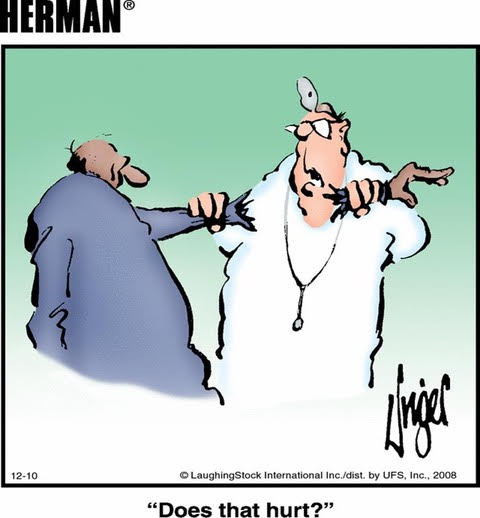




We don’t earn a living anymore. We rent survival by the month.




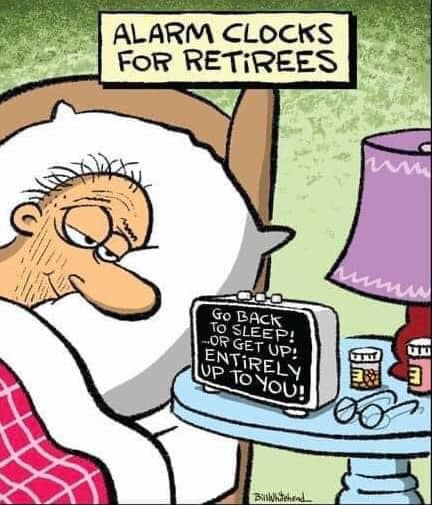















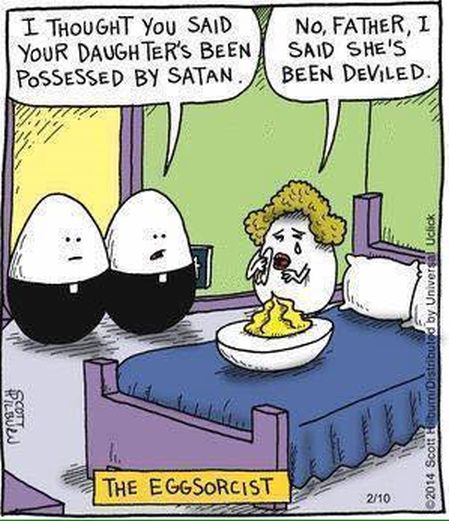
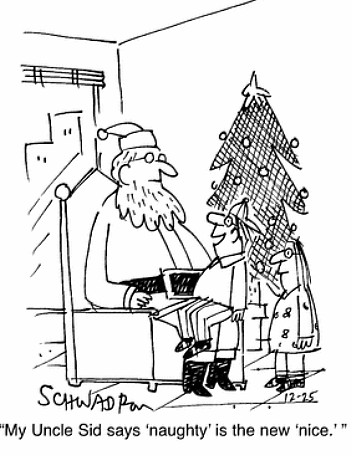



Getting old is weird. You’re still the same enthusiastic kid but you’re trapped in this less than cooperative body.











That’s it, I’m done with this one. Past my bedtime. Wiped out. Be well, Be Blessed. My love to you all!


 Dragon Laffs
I have folders labeled Christmas, Valentines, etc. and save toons, etc in them. So for me, I could hang onto them until Christmas 2026.
Why don’t you do that?
I do do that
So when is the birthday? Not sharing my 12/23 are you?
Mine is 12/24
Happy Birthday!
Thanks again for giving us probably the Guiness Book of Records collection of Christmas and Season funnies. Terrific.
You are quite welcome my friend. A couple more issues to go.