

I have to apologize.
I’m in a mood today.
I’m writing this on Sunday and things are weighing heavily on my mind today. I have been reliving … things. There is no special dates or anniversaries or anything. Things have just been … on my mind. I’m reliving too much. WAY too much.
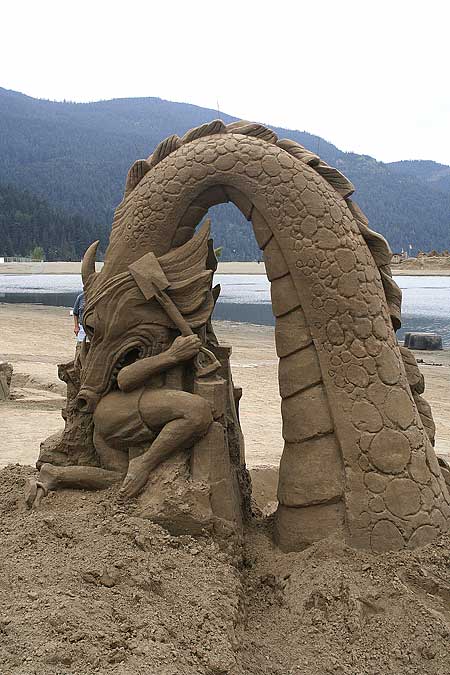
So, what do you say we get to the good stuff, so that this old dragon can do a little bit to change his attitude.

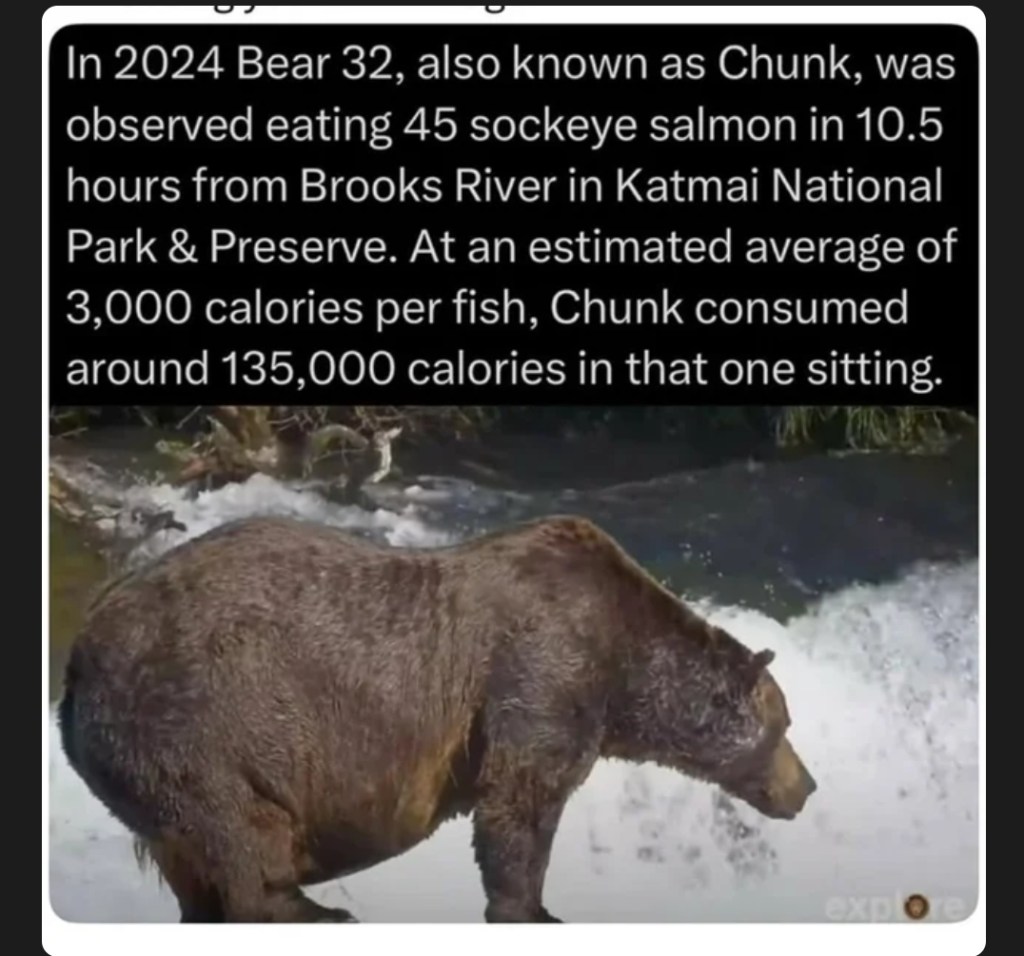
Ha! Amateur!
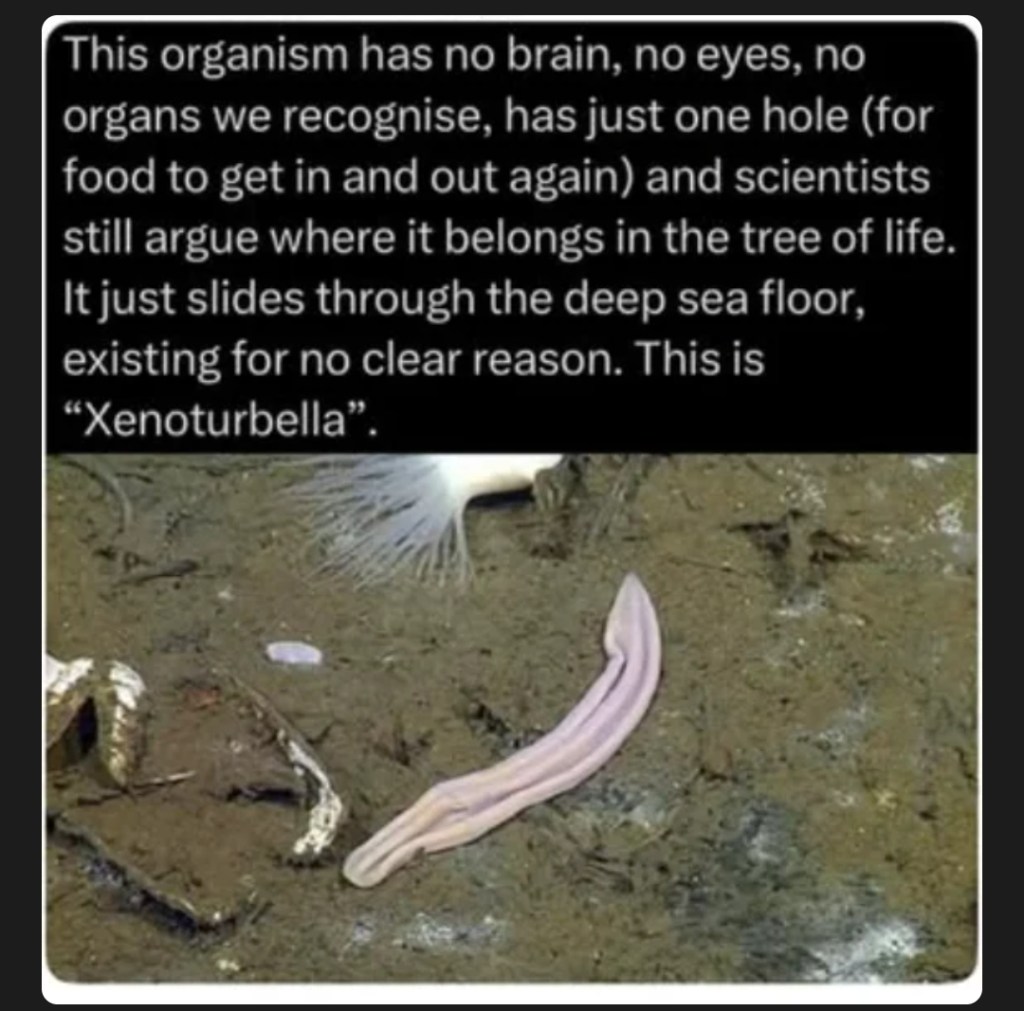
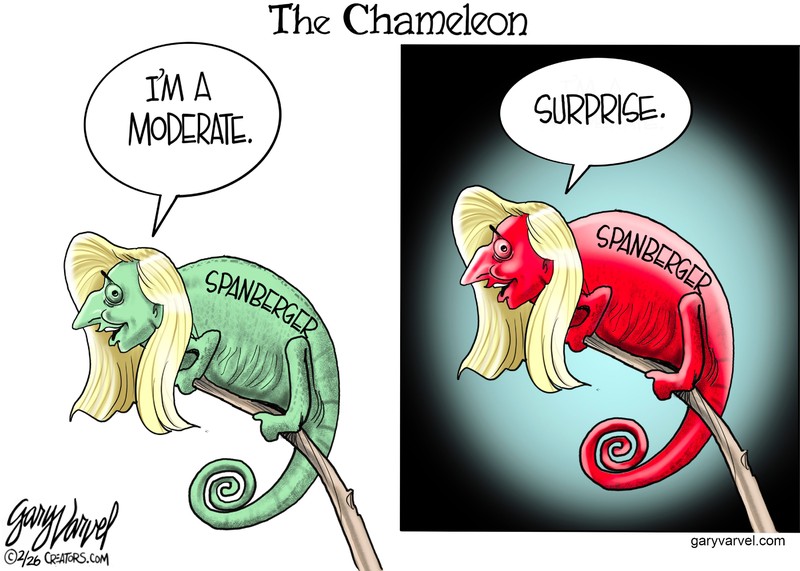
There are people in our government who are just like this.
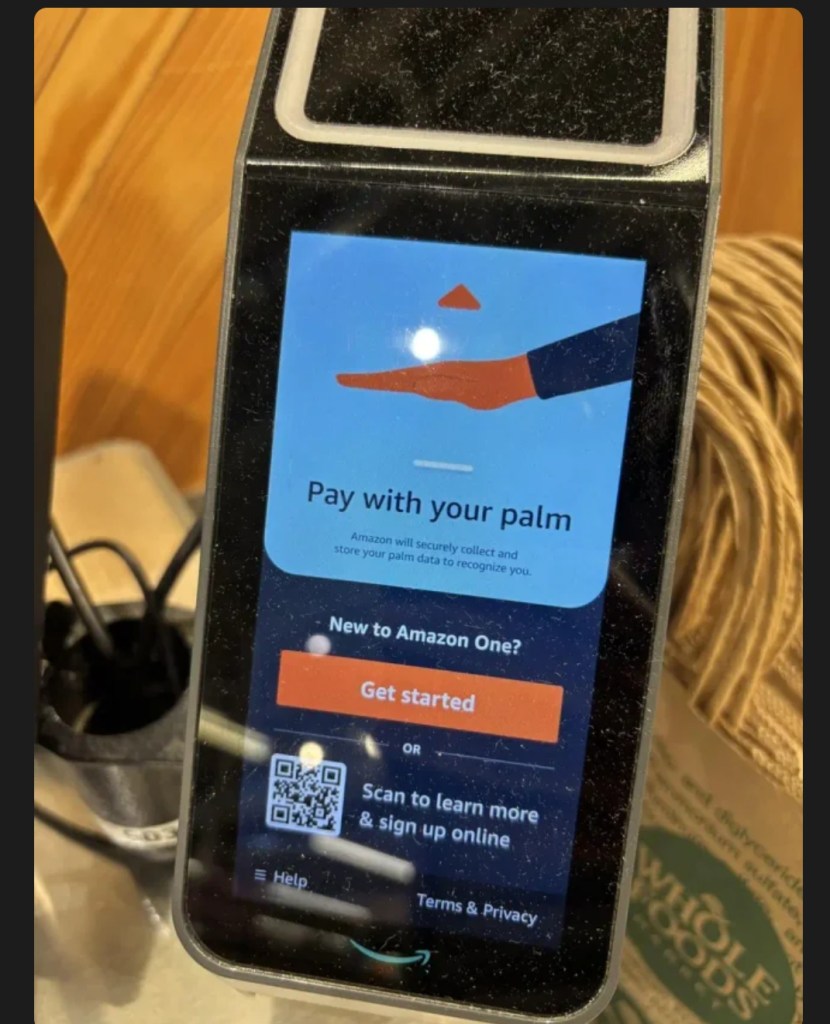
Okay, as reminiscent as this is of the Mark of the Beast, which is the first thing that I thought of when I saw this picture, when I checked it out this is what I found out.
Amazon One is a biometric palm-scanning technology introduced by Amazon in 2020 that allows users to pay, enter locations, and verify their identity by hovering their palm over a specialized scanner. It acts as a digital, contactless, and, according to Amazon, highly secure alternative to physical wallets, credit cards, badges, and tickets.
Note on Status: In January 2026, Amazon announced it is discontinuing the Amazon One palm-scanning service for retail businesses, with services officially shutting down on June 3, 2026. However, it may continue to be used in certain, non-retail contexts (e.g., specific security or healthcare applications).

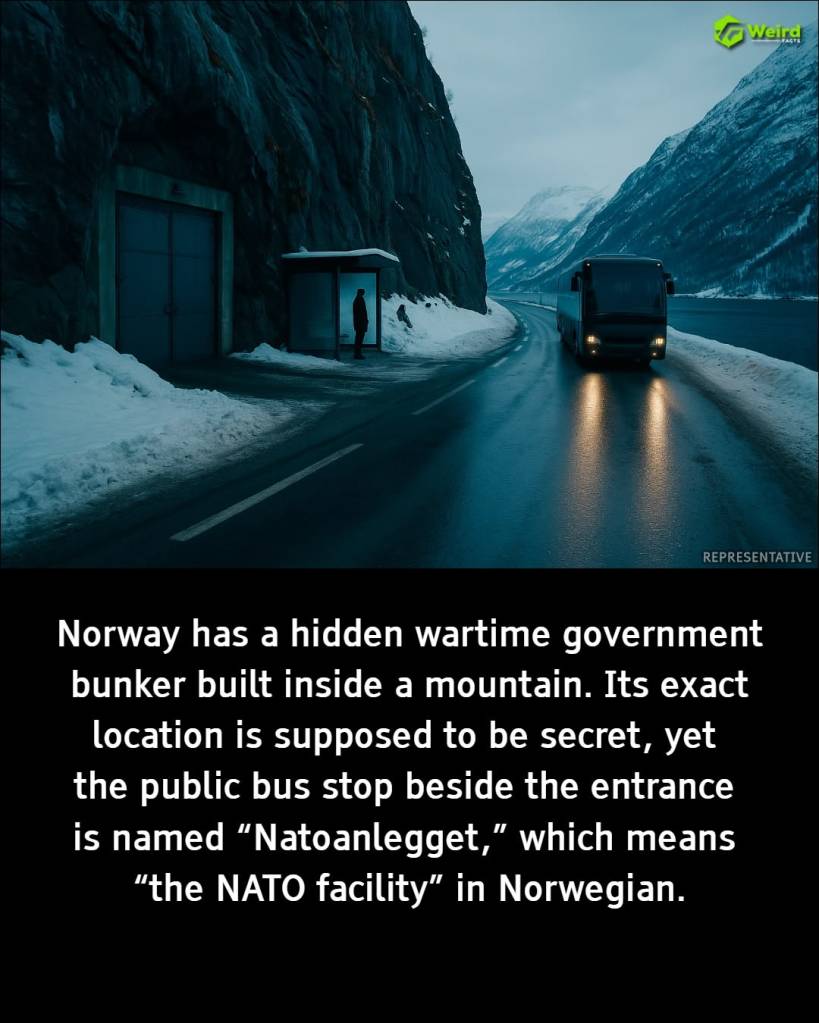




Not Wendy’s!!!!!
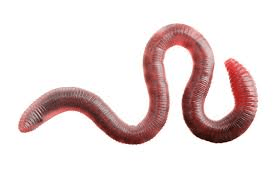
Worms
Thanks to Lynn
You step outside in late February after a heavy overnight rain. The sidewalk is dotted with earthworms stretching and retracting across the wet concrete.
You might think they were washed out of the soil by mistake, or that they are desperately trying to escape a flooded burrow.
It is neither. That worm is seizing a rare meteorological opportunity to travel at high speed. But the clock is ticking. As soon as the clouds break, that watery highway will become a fatal trap.
The Myth of the “Emergency Evacuation”
When we see dozens of earthworms stranded on the pavement after a downpour, the logical assumption is that they came up to avoid drowning.
The Biological Reality: This is a complete misunderstanding of their anatomy.
Earthworms, such as the common nightcrawler (Lumbricus terrestris), do not have lungs. They rely entirely on cutaneous respiration—they breathe through their skin. As long as the rainwater is oxygenated, an earthworm can survive completely submerged for days, or even weeks. They are not running away from the water. They are exploiting it.
The Scientific Reality: The UV Trap
An earthworm is a deep-dwelling (anecic) species, but it relies on the surface for food and movement.
The Frictionless Highway: Crawling across dry ground is a physical impossibility for a worm. The friction would tear its delicate epidermis and instantly drain its internal moisture. Rain creates a temporary, zero-friction film on the surface of the earth. This allows the worm to glide across the ground, covering distances in a few hours that would take days to tunnel through heavy, compacted clay.
The Solar Paralysis: The true danger of the sidewalk isn’t the puddle; it is the sun. Earthworms possess light-sensitive cells along their bodies (negative phototaxis). If the rain stops and ultraviolet (UV) rays pierce the clouds, the light acts as a neurotoxin. The worm is literally paralyzed by the UV exposure before it can reach the safety of the grass. It is a traveler struck down by the light, doomed to desiccate on the concrete.
What is Happening Right Now (February)
Why take this massive risk in the late winter?
In many parts of the United States, February brings the first significant thaws and heavy, saturating rains.
The Energy Equation: When the soil hits maximum saturation capacity, the oxygen pressure underground drops slightly. It becomes physiologically and energetically much cheaper for the worm to travel above ground than to push through dense, cold mud.
The Mating Window: Earthworms are hermaphrodites, but they must physically meet to exchange genetic material. The mild, wet nights of late February offer the perfect, low-predator window to leave their vertical burrows, cross the wet leaf litter, and find a mate before the dry spring winds harden the topsoil.
Why This Matters Ecologically
The earthworm is the chief engineer of the terrestrial ecosystem.
They do not merely aerate the soil. They create the drilosphere—the millimeter-thick lining of their burrows that is exponentially richer in nitrogen and beneficial bacteria than the surrounding dirt.
Right now, their deep, vertical burrows act as a vital civil defense system. These tunnels (macropores) are an emergency drainage network, allowing heavy late-winter rains to infiltrate rapidly into the water table. This invisible infrastructure is what prevents surface runoff, stops severe soil erosion, and mitigates localized flooding.
Practical Action: The “Rescue Without Rubbing” Protocol
Move Them: They are physically incapable of digging through asphalt. Gently pick the stranded worm up (they have no teeth and cannot bite) and place it on the nearest lawn, garden bed, or under wet leaves.
Never Wipe Them Dry: The viscous mucus covering their body is quite literally their lung. If that slime is wiped off, oxygen can no longer dissolve into their tissue, and they will suffocate.
The Flashlight Check: Take a flashlight out on a drizzly February night. You will see them stretched out of their burrows, their tails firmly anchored in the hole, grabbing dead leaves to drag down into the depths. It is the ultimate recycling crew at work.
The Verdict
The worm on the sidewalk isn’t a drowning victim. It is a sprinter caught between stations because the highway evaporated too quickly.
The rain was its boarding pass; the sun is its executioner.
By moving it two feet to the grass, you don’t just save a life—you put the planet’s most indispensable worker back on the job.
Scientific References & Evidence
Soil Ecology & Drainage: USDA Natural Resources Conservation Service (NRCS). “Earthworms.” (Details the creation of the drilosphere, the formation of macropores, and their critical role in water infiltration and flood mitigation).
Behavior & Phototaxis: Edwards, C. A., & Bohlen, P. J. (1996). “Biology and Ecology of Earthworms.” (The definitive text documenting the triggers for surface migration, cutaneous respiration limits, and the paralyzing effects of UV radiation).
Foundational Biology: Darwin, C. (1881). “The Formation of Vegetable Mould through the Action of Worms.” (The landmark study proving the behavioral intelligence and massive geological impact of earthworms).
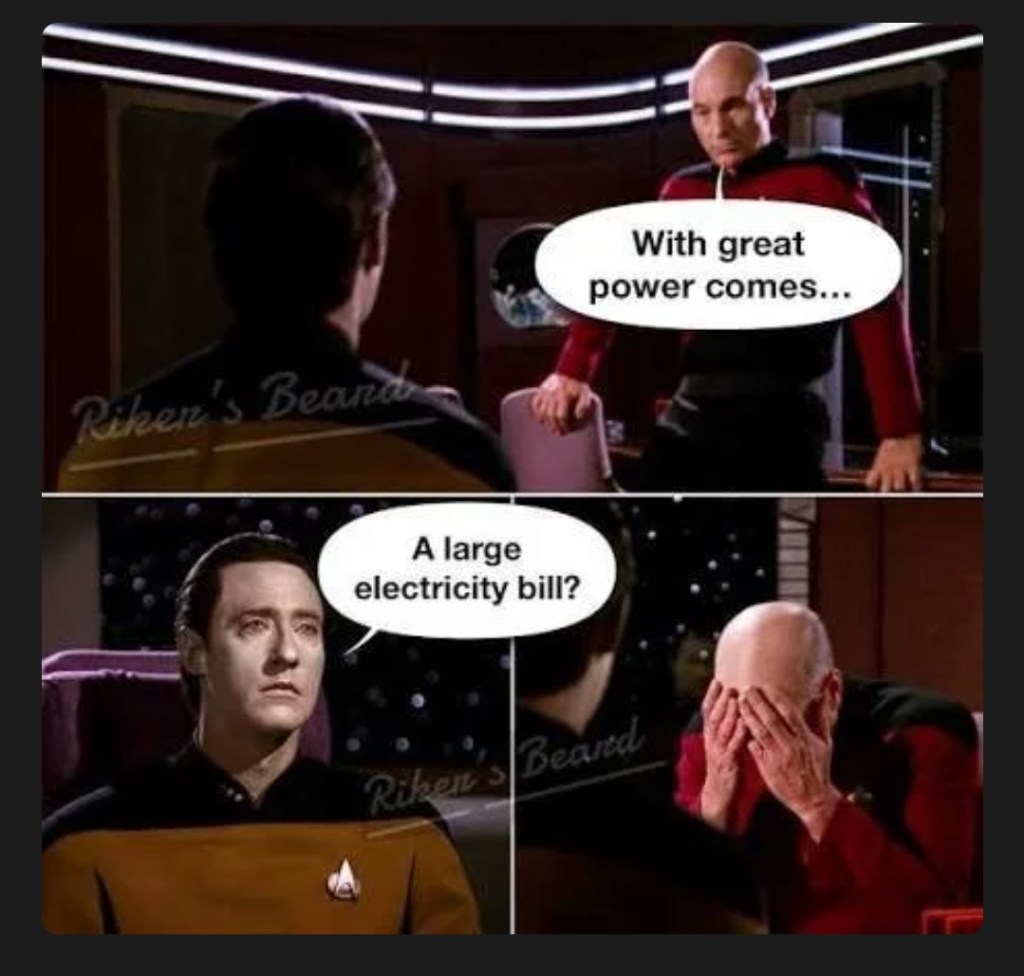




As a Gen Xer, I’ve walked like an Egyptian, moonwalked, walked this way, walked on the wild side, walked on sunshine, walked the line and walked 500 miles.
I’ve walked a lot …
I’m tired
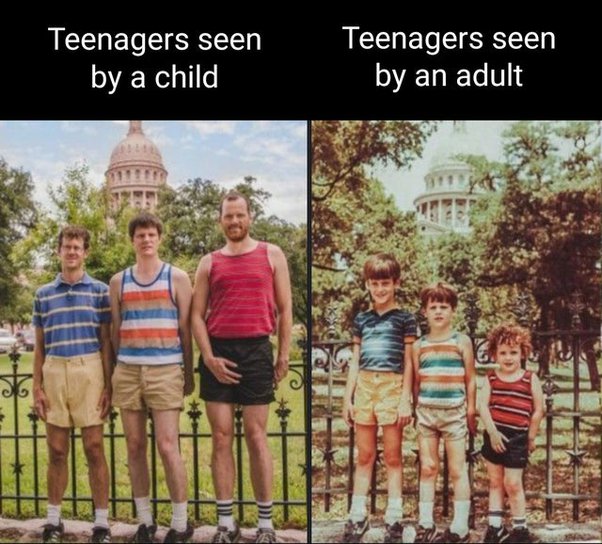
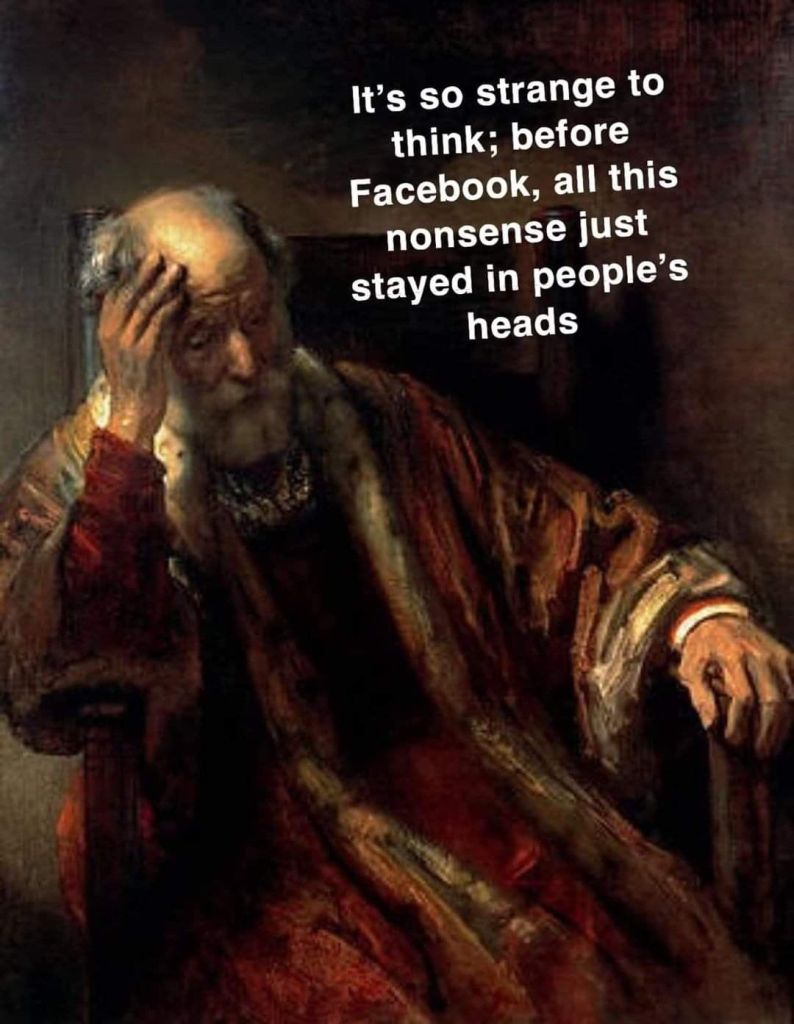

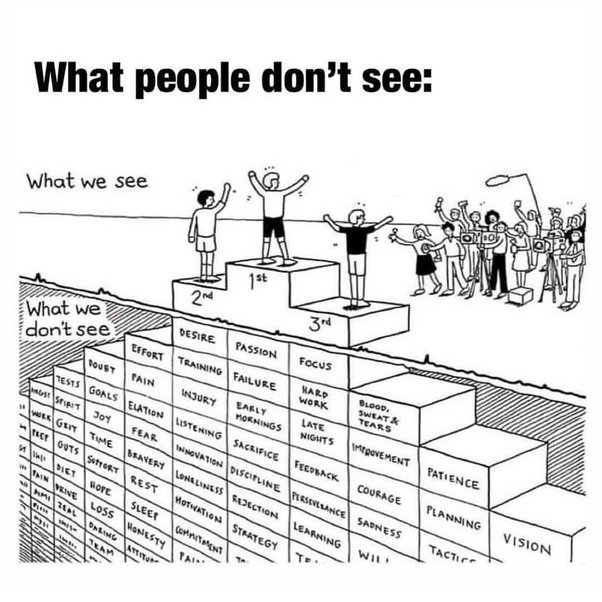
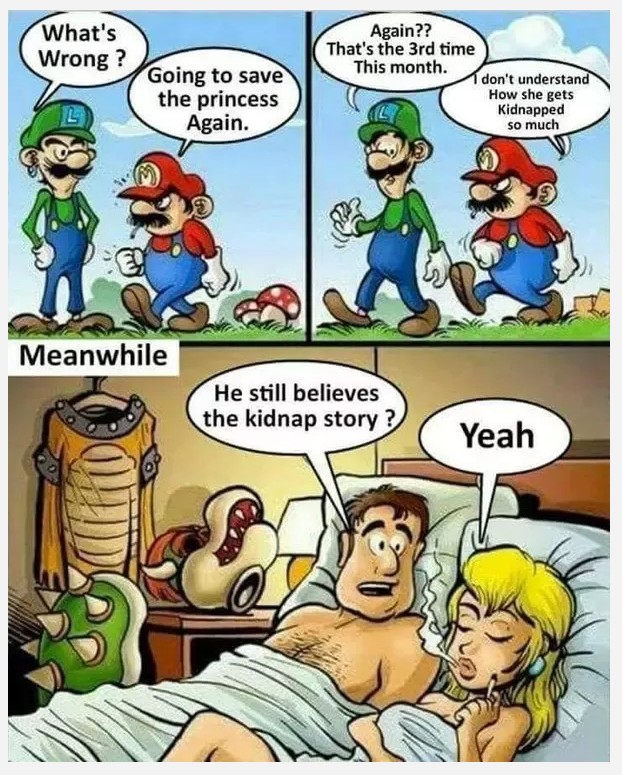

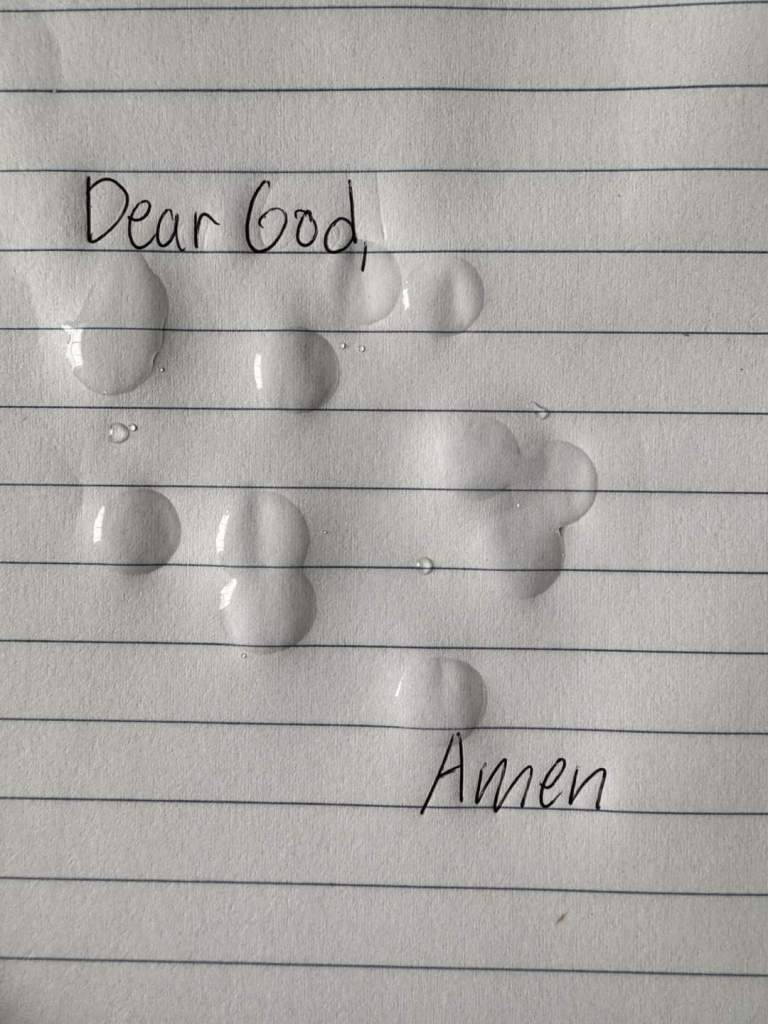
This one always brings a tear to my eye.

The first person who pulled an egg out from under a chicken’s butt and ate it must have been really hungry.




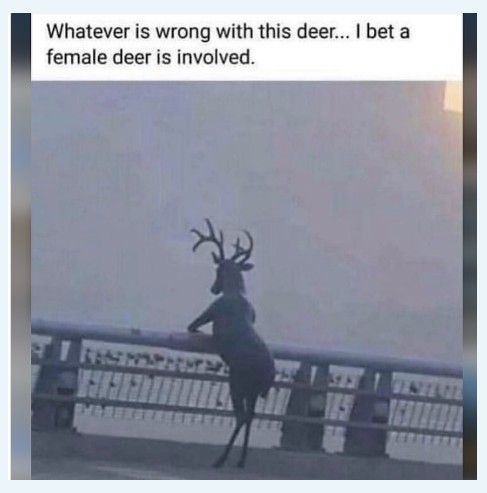

If you don’t recognize this picture, then you had a much poorer childhood then I did.
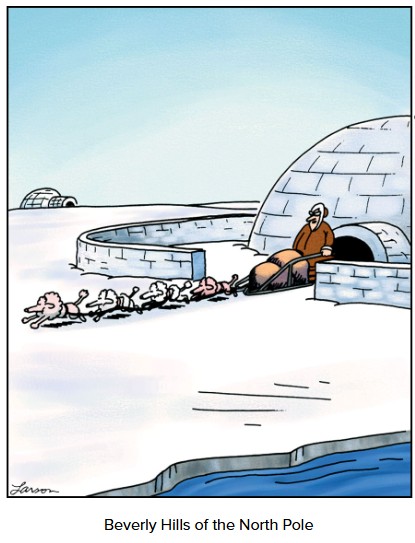
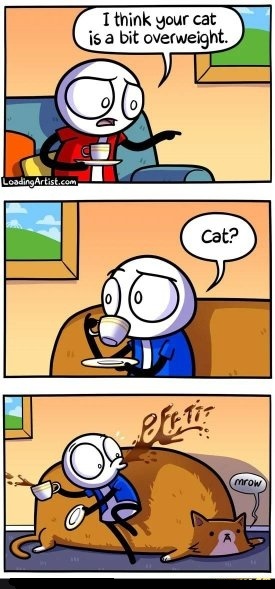

AND because they bought into a lie.

I hate waiting in lines…
I wish this woman would just hurry up and pick a suspect.



When I discovered I was holding the Tazer the wrong way, I was stunned.


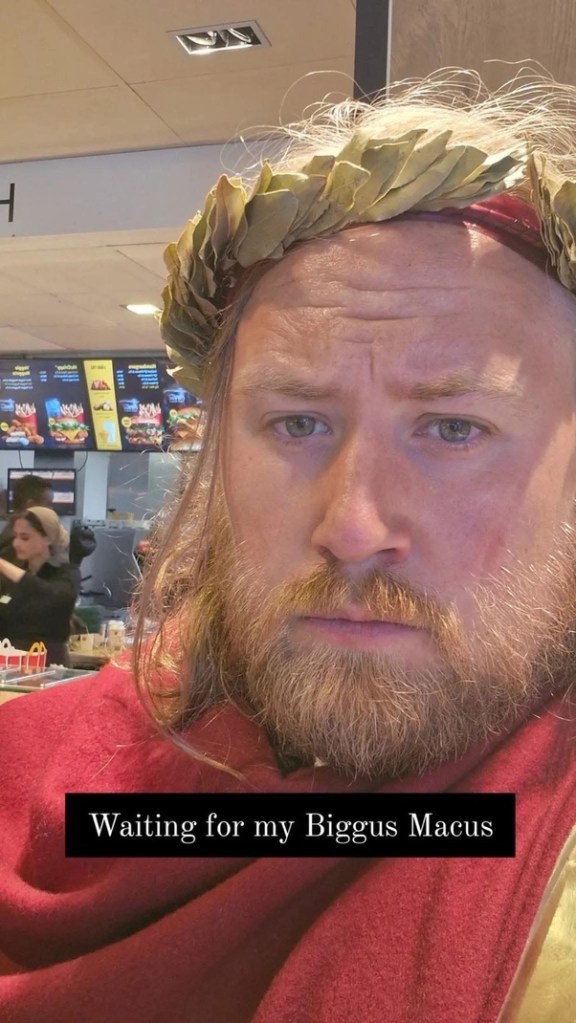
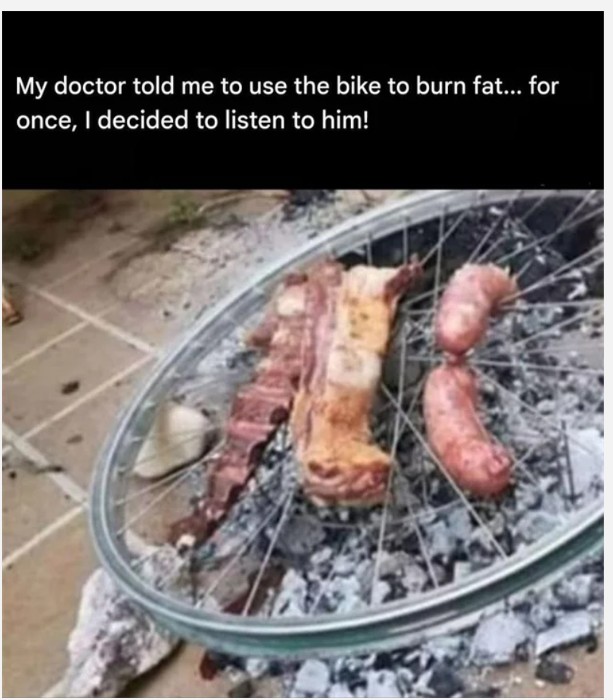
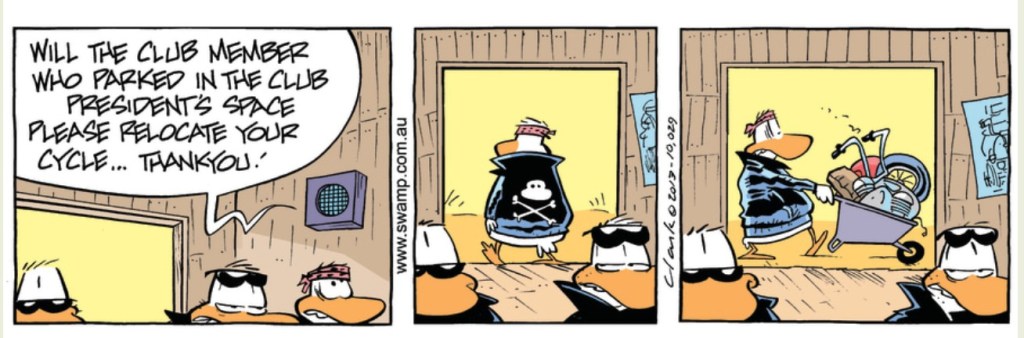




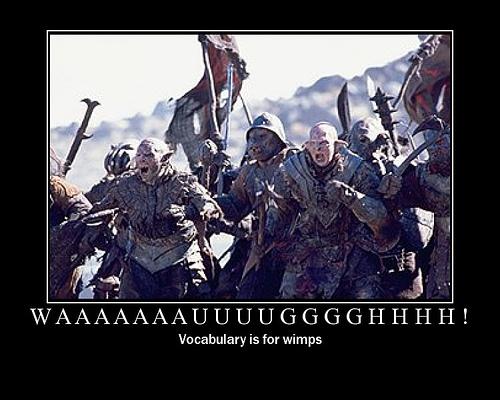









Yup, this one is shorter. I ran out of time. So, until next time …



 Dragon Laffs
Why should I suffer alone? Be that as it may, it is a catchy little tune, ain’t it?
Talk about poor childhoods: when I saw the picture of the Clampett’s, for some reason the theme song from The Real McCoys (starring Walter Brennan) started playing in my head. Haven’t thought of that show (or song) in DECADES!!!
That goes back a ways. You brought that right back to my head. Thanks for that.